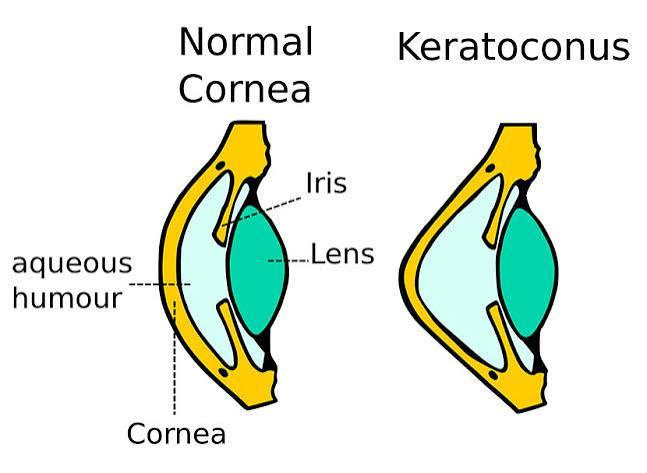
Have you noticed blurry vision, increasing astigmatism, or frequent changes in your eyeglass prescription? These symptoms may be caused by a condition called keratoconus. Keratoconus is an eye condition that changes the shape of the cornea, the clear front surface of the eye, and can make it difficult to see clearly.
At Bulls Eye Care in Tampa, we believe that understanding your eye health is an important step toward protecting your vision. Learning about keratoconus, recognizing its early signs, and receiving appropriate care can help you manage the condition and maintain the best possible vision.
What Is Keratoconus?
Keratoconus is a progressive eye condition in which the cornea gradually becomes thinner and begins to bulge outward into a cone-like shape. A healthy cornea has a smooth, rounded shape that helps focus light onto the retina. When the cornea becomes irregular, light no longer focuses properly, resulting in blurred or distorted vision.
Keratoconus often begins during the teenage years or early adulthood, although it can develop at other ages. It may affect one eye more than the other, and its progression can vary from person to person.
Early detection is important because keratoconus may worsen over time, particularly in younger patients.
What Are the Symptoms of Keratoconus?
Keratoconus can cause several changes in vision, and its symptoms may initially be mistaken for ordinary nearsightedness or astigmatism.
Common symptoms include:
-
Blurry or distorted vision: Objects may appear stretched, shadowed, or unclear.
-
Increasing astigmatism: The shape of the cornea causes light to focus unevenly.
-
Frequent prescription changes: Glasses may stop providing clear vision as the cornea changes.
-
Glare and halos: Lights may appear to have rings or streaks, especially at night.
-
Difficulty driving at night: Headlights and streetlights may become harder to see clearly.
-
Eye strain or headaches: Visual distortion may make focusing more difficult.
If you experience these symptoms or notice that your glasses prescription changes frequently, schedule a comprehensive eye examination to determine the cause.
What Causes Keratoconus?
The exact cause of keratoconus is not fully understood. Research suggests that a combination of genetic and environmental factors may contribute to its development.
Factors associated with keratoconus include:
-
Family history: The condition can run in families.
-
Frequent eye rubbing: Repeated or forceful eye rubbing is associated with keratoconus and may contribute to its progression.
-
Allergies: Eye allergies can cause itching, which may lead to excessive rubbing.
-
Certain underlying conditions: Some genetic and systemic conditions are associated with a higher risk of keratoconus.
Although not everyone with these risk factors develops keratoconus, avoiding eye rubbing and managing itchy eyes are important steps in protecting your corneal health.
How Is Keratoconus Diagnosed?
A comprehensive eye examination can help identify signs of keratoconus. In addition to checking your vision and eyeglass prescription, your eye doctor may evaluate the shape and health of your cornea.
One particularly useful test is corneal topography or tomography. These technologies create detailed maps of the cornea, helping your eye doctor identify irregular curvature, thinning, and other changes associated with keratoconus.
Early keratoconus may not always be obvious during a routine vision check. Specialized corneal imaging can help detect subtle changes before they cause significant vision problems.
How Is Keratoconus Treated?
Treatment depends on the severity of the condition, how quickly it is progressing, and how well you can see with glasses or contact lenses.
1. Eyeglasses
In early keratoconus, glasses may provide adequate vision correction. However, as the cornea becomes more irregular, glasses may no longer provide the sharp, comfortable vision you need.
2. Specialty Contact Lenses
Specialty contact lenses are often an important part of keratoconus management. They can help compensate for the irregular shape of the cornea and improve visual clarity.
Options may include:
-
Rigid gas permeable (RGP) lenses: Firm lenses that create a smooth optical surface over the irregular cornea.
-
Scleral lenses: Larger-diameter lenses that rest on the white part of the eye and vault over the cornea, creating a fluid-filled space between the lens and the corneal surface. They can provide excellent vision and comfort for many patients with keratoconus.
-
Hybrid lenses: Lenses with a rigid center and a softer outer skirt, designed to combine the optical benefits of rigid lenses with aspects of soft-lens comfort.
-
Specialty soft contact lenses: Certain designs may help some patients with less advanced or specific forms of corneal irregularity.
The best lens depends on your corneal shape, prescription, lifestyle, and comfort. Specialty contact lens fitting often requires additional measurements and follow-up appointments.
3. Corneal Collagen Cross-Linking
Corneal cross-linking is a treatment designed to strengthen the cornea and slow or stop the progression of keratoconus. The procedure uses riboflavin eye drops and ultraviolet-A light to increase the bonds between collagen fibers in the cornea.
Cross-linking is intended primarily to stabilize the cornea rather than eliminate the need for glasses or contact lenses. It may help prevent further deterioration of vision, especially when keratoconus is progressing.
An eye care professional can help determine whether you should be evaluated for this procedure by a corneal specialist.
4. Corneal Transplant Surgery
In advanced cases, when the cornea becomes severely scarred or other treatments no longer provide adequate vision, a corneal transplant may be considered. Fortunately, many patients can manage keratoconus with specialty contact lenses and other treatments without needing a transplant.
Can Keratoconus Be Prevented?
There is currently no proven way to prevent keratoconus from developing. However, early diagnosis and appropriate treatment may help reduce the risk of significant vision loss from progression.
To support your eye health:
-
Avoid rubbing your eyes.
-
Seek treatment for eye allergies and persistent itching.
-
Keep up with regular comprehensive eye examinations.
-
Follow your eye doctor's recommendations for monitoring your cornea.
-
Ask about further evaluation if your vision changes frequently or your astigmatism increases unexpectedly.
Children, teenagers, and young adults with suspected keratoconus may benefit from prompt evaluation because the condition can progress more quickly at younger ages.
Specialty Contact Lenses for Keratoconus in Tampa
Living with keratoconus does not automatically mean you must accept blurry vision. Although the condition can make ordinary glasses and standard contact lenses less effective, specialty contact lenses may significantly improve visual clarity and everyday comfort.
At Bulls Eye Care in Tampa, we are committed to helping patients understand their vision needs and explore appropriate options for managing corneal conditions. If you have keratoconus, suspect that you may have it, or are struggling to achieve clear vision with your current prescription, a comprehensive eye examination can help determine the next steps.
Schedule an eye examination with Bulls Eye Care in Tampa to discuss your symptoms, evaluate your vision, and learn whether specialty contact lenses may be right for you.
Your vision matters. Early detection and appropriate care can make a meaningful difference in managing keratoconus.
Author
Dennis Garcia
Dr. Dennis Garcia